- -16%

onsale
In Stock
In Stock
In Stock
In Stock

Available upon request
In Stock

Available upon request

Out of Stock
Out of Stock

In Stock
Download
In Stock

In Stock

In Stock

Featured Products

In Stock
In Stock

In Stock
Out of Stock
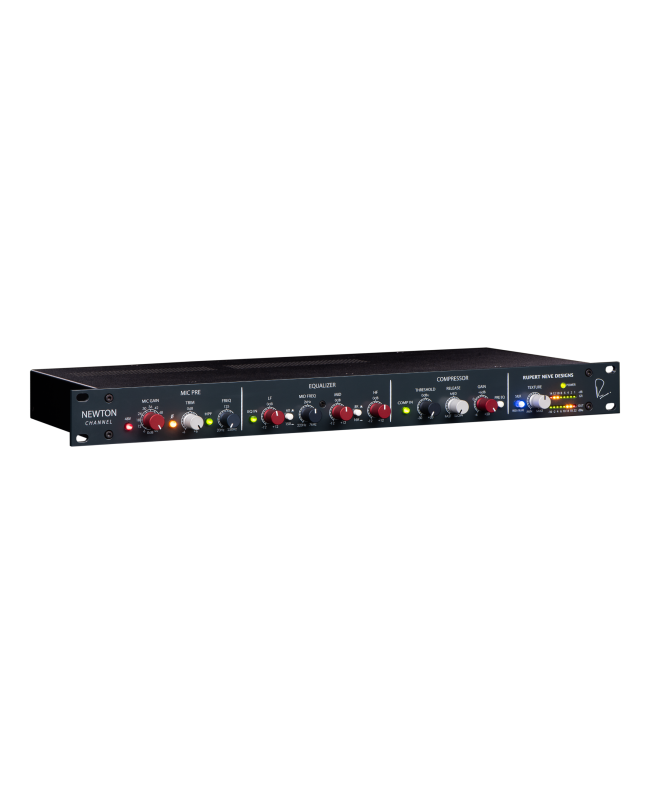
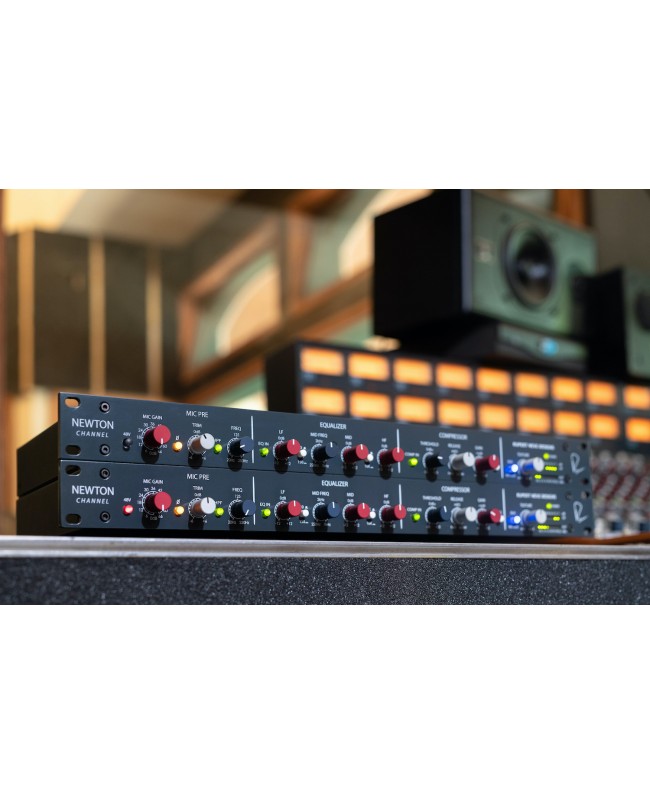

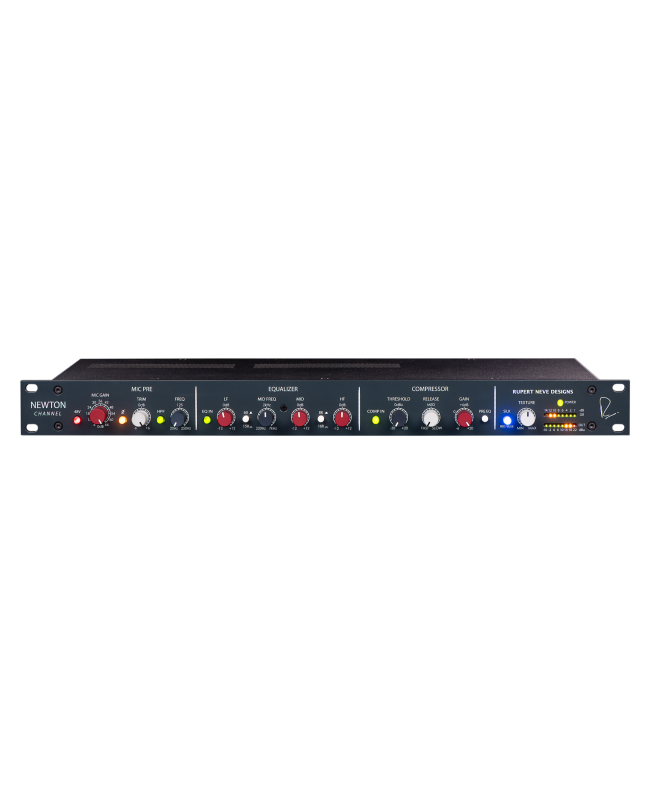
Newton Channel
Newton Channel is a modern and powerful channel strip with a long sonic tradition. Its intuitive design offers a classic and recognizable sound, as well as the ability to shape sound with Rupert Neve Designs' signature characteristics. Newton Channel is suitable for recording studios of various sizes and can be used both in the studio and live, allowing more industry professionals to experience the quality of RND products. Its name is inspired by Rupert's birthplace, Newton Abbot, England, and reflects the sonic journey of his life: from traditional to modern, with everything in between. It is an extremely versatile, high-quality channel strip that can bring any sound source to life with Rupert Neve Designs' typical classic sound.
Overview
The Newton Channel includes a Class-A microphone preamplifier, a discrete and musical 3-band EQ section, a fast and flexible VCA compressor, and Rupert Neve Designs' exclusive transformer-coupled outputs with the innovative Silk Red and Blue variable harmonic generation circuit.
Input Stage and Microphone Preamplifier
The Newton's microphone preamplifier offers the timbre and musicality typical of Rupert Neve Designs' products. This preamp makes it easy to create a crisp, clean and detailed sound. With 72 dB gain, including 6 dB of fine trim control, the Newton is ideal for a wide range of sources. The input stage is designed to match the impedances of normal microphone sources and can also handle line levels, making it possible to use a pair of Newtons in the mix as well. The Newton also includes a variable high-pass filter with a wide frequency adjustment range and an independent bypass switch that allows you to quickly eliminate unwanted noise, resonance or other low frequencies in the source signal.
The Equalizer
The Newton's EQ section is designed to offer speed and flexibility with simplified controls. The low and high frequency bands can be precisely adjusted via 31-step potentiometers, allowing gain increases or decreases of up to 12 dB. You can switch between gentle and extreme settings as needed. The Newton's parametric mid-band EQ includes another 31-step potentiometer and a wide range of mid frequencies, adjustable between 220 Hz and 7 kHz. This makes the midrange band particularly flexible, allowing unwanted frequencies in the low-mid range to be reduced, the presence of midrange frequencies to be increased, or mid-high frequencies to be attenuated. The selection of a fixed Q ensures a balance between musicality and precision, wide enough for precise equalization without negatively interfering with adjacent frequencies. As in every section of the Newton Channel, the EQ has an independent bypass button.
The Compressor
The Newton Channel also includes the latest version of Rupert Neve Designs' VCA compressor, with +20 dB make-up gain and ample control to adjust the desired amount of compression while keeping the sound intact. There is also a pre EQ/post EQ switch to place the compressor before or after the EQ section, as well as an independent bypass button.
Variable Silk
At the end of the Newton's signal path is the unique Variable Silk circuit, which allows 2nd and 3rd harmonics to be amplified through Rupert Neve Designs' custom output transformers, creating a vintage sound. With the adjustable Texture knob, the desired harmonic density can be precisely selected. Silk Red mode accentuates harmonics in the high and mid-high frequencies, while Blue mode emphasizes harmonics in the low and mid-low frequencies. With the Silk/Texture circuit activated, the Newton's output stage is able to enrich each track, imparting more power and brilliance.
Custom Transformer Outputs
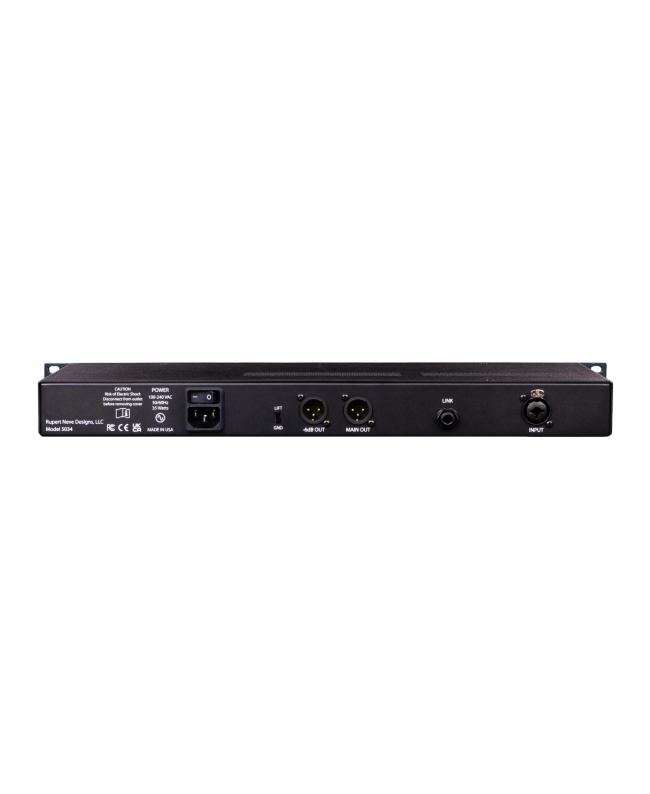
The Newton Channel features a balanced line output stage with a custom transformer. In addition, there is a -6 dBu XLR output to compensate for high input levels and Silk harmonic saturation. This allows maximum use of transformer harmonics without distorting the next device in the signal chain. Both outputs are active and can be used simultaneously.
Specific References
On sale

Out of Stock
Out of Stock

In Stock
Out of Stock
bestseller
In Stock
In Stock
In Stock
In Stock
Available upon request
In Stock