- New

onsale

In Stock

In Stock

Out of Stock


In Stock

Available upon request

In Stock
Out of Stock
Out of Stock
Out of Stock
Available upon request
Out of Stock
In Stock
In Stock
Download

Featured Products

In Stock
In Stock
In Stock

In Stock
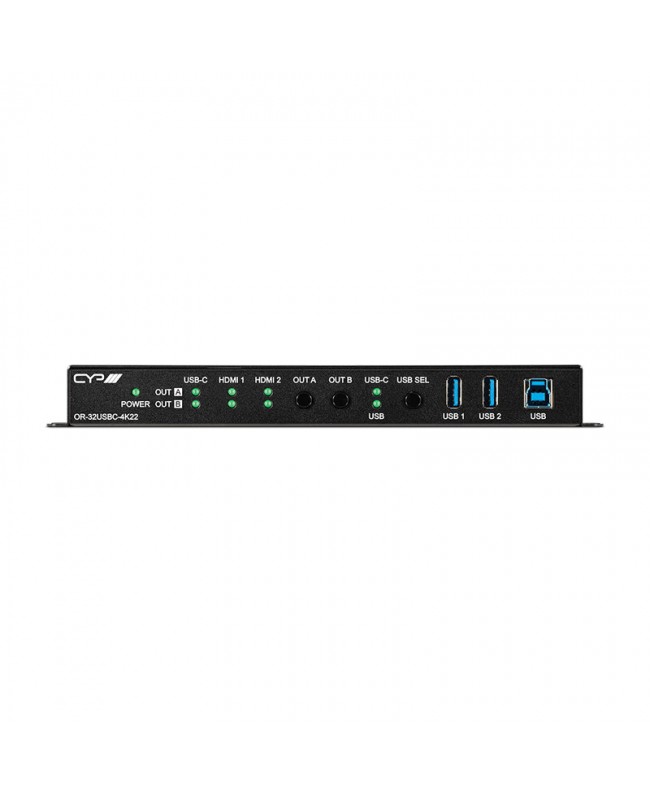
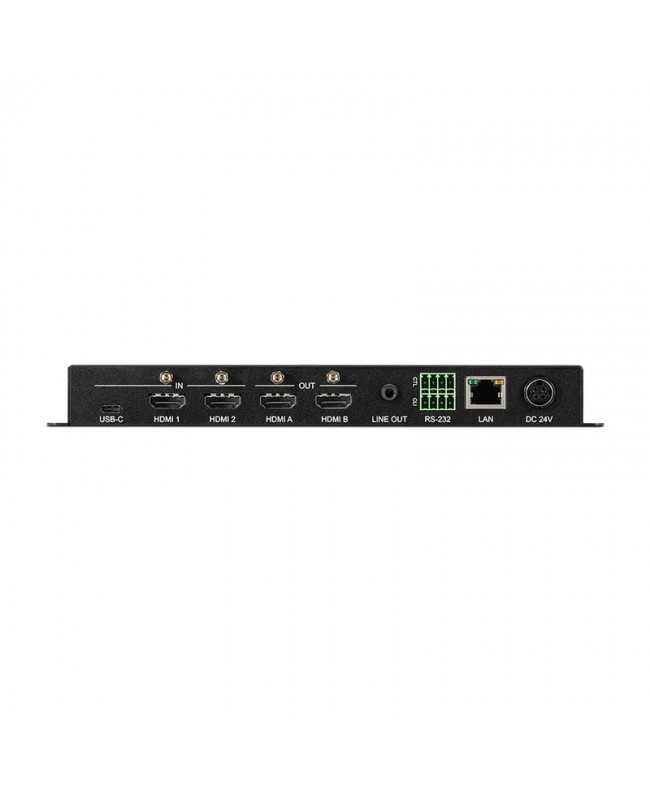
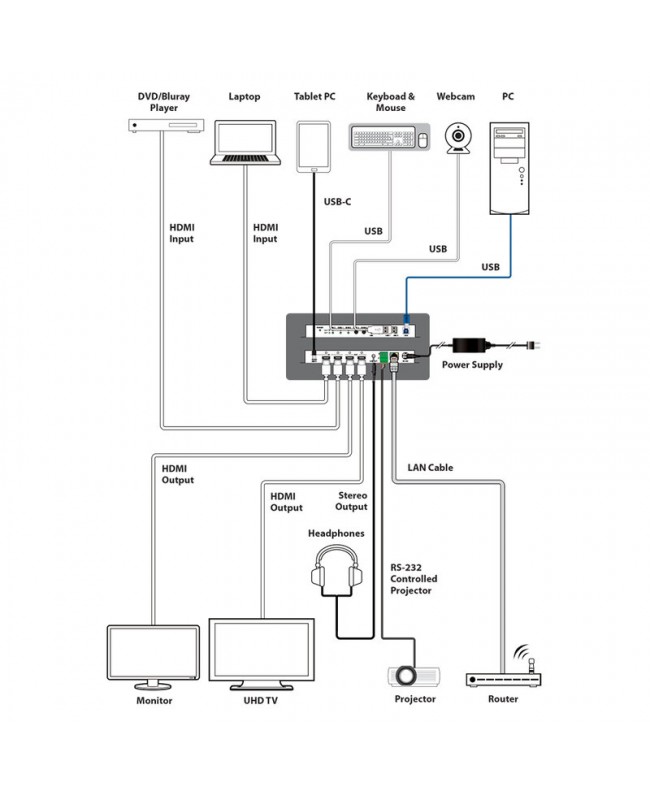

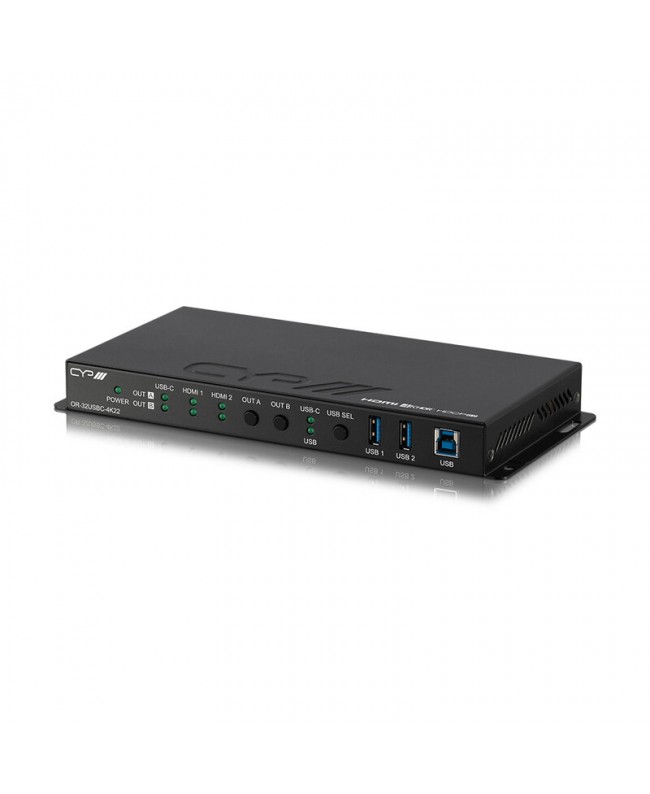
The OR-32USBC-4K22 is a 3 x 2 matrix switcher designed to handle HDMI and USB-C sources with 4K and #64; 60 4:4:4 support, downscaling on the HDMI A output, and a built-in USB 3.0 hub for flexible KVM configurations.
The USB-C input supports AV, power up to 20 VDC 3 A, and network connectivity, while the two HDMI outputs allow simultaneous signal distribution. The device also supports HDR formats, signal automation, and auto-switching with memory of the last state.
Control is available via front buttons, Web GUI, Telnet, and RS-232, making it ideal for meeting rooms, classrooms, and AV installations with USB expansion.
Supports USB 3.0 with one USB Type-B and one USB Type-C port for connection to a host PC, plus two USB Type-A ports for peripheral devices such as a keyboard, mouse, and storage
Specific References

On sale
Out of Stock
Available upon request
Out of Stock
bestseller
In Stock
In Stock
Out of Stock
In Stock
Available upon request
In Stock